The Quiet Rebellion: Why American Shoppers Are Choosing Niche Perfumery Over the Designer Aisle

Walk through the fragrance floor of any major American department store and you will hear the same vocabulary repeated: celebrity faces, embossed caps, gift sets with matching lotion. There is nothing wrong with these scents — many are competent, pleasant, expertly marketed. But a quiet rebellion is underway, and it is happening in small studios in Portland, Brooklyn, Austin, and Grasse-trained ateliers shipping to American doorsteps.
American consumers are increasingly bypassing designer labels in favor of niche perfumery — and the reasons say as much about our culture as they do about our vanity.
What We Mean by Niche
Niche perfumery is not simply a synonym for expensive. The term describes houses that are fragrance-first: small production runs, a founder or perfumer whose name is on the bottle, and compositions built around materials rather than marketing calendars. Where a designer fragrance is typically an accessory to a fashion empire, a niche fragrance is the empire.
The distinction matters because it changes everything downstream — how ingredients are chosen, how batches are blended, and how many people will ever wear the same scent as you.
Transparency: From Label to Soil
The modern American consumer reads labels. We do it with our coffee, our wine, our skincare — and fragrance is the final frontier. Niche houses have met this moment by speaking openly about sourcing: Haitian vetiver from specific cooperatives, iris from Tuscan harvests, sandalwood from sustainably managed Australian plantations.
Designer fragrances, by contrast, rarely discuss materials at all. The ingredient list is a legal formality; the story is a celebrity endorsement. For a generation raised on farm-to-table everything, that silence feels increasingly out of step. Traceability is not a luxury — it is the new baseline of trust.
The Craft Argument
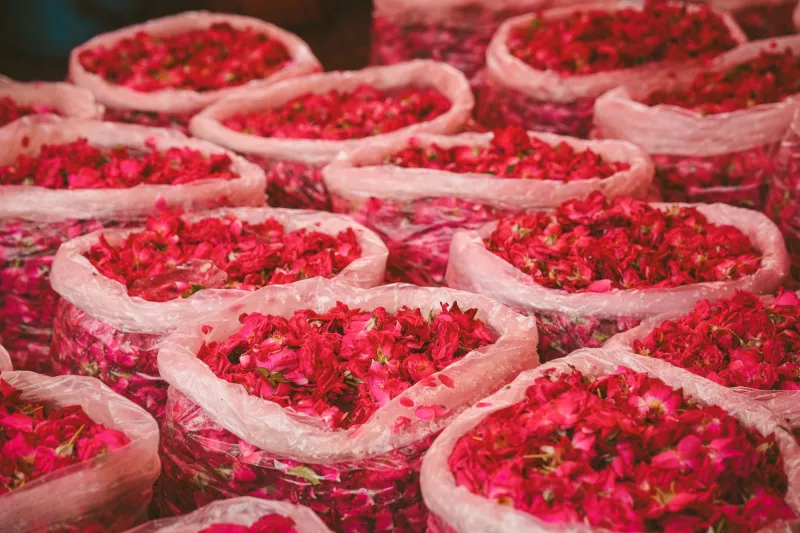
There is also the matter of how the thing gets made. Small-batch production allows for materials that would be commercially impossible at scale: natural oud, hand-tinctured botanicals, precious absolutes used with a generous hand. A niche perfumer can afford to compose something strange and lovely — a scent built around wet stone, or tomato leaf, or the interior of a cedar chest — because they are not answering to a mass-market focus group.
This is not to say every niche fragrance is superior. It is to say the conditions of creation are different, and you can smell the difference in ambition.
The Scarcity of Self
Perhaps the most emotionally resonant reason is the simplest: the desire to smell like oneself, not like a billboard. When a designer scent sells millions of bottles annually, wearing it becomes a shared experience with every airport and elevator in the country. A niche fragrance, produced in lots of a few hundred, offers something rarer — a signature that belongs, in a meaningful sense, to you.
Americans have always prized individuality, and fragrance is among the most intimate forms of self-expression we have. The shift toward niche perfumery is, at heart, a rejection of uniformity.
Building a Starter Niche Wardrobe Under $300
The objection we hear most often is cost. It is a fair concern — but niche does not require a four-figure budget. A thoughtful starter wardrobe can be assembled for under $300 with a simple three-pillar strategy:
Pillar one: a clean, everyday scent ($60–$90). Look for a house offering 30ml or 50ml sizes. A well-made citrus-musk or neroli composition will serve you daily and outlast any designer splash in character.
Pillar two: a statement scent ($80–$120). This is your evening fragrance — something with depth: amber, leather, incense, or a rich floral. Sample first; many niche houses sell discovery sets of five to eight vials for $25–$40, which is the smartest money in all of perfumery.
Pillar three: a wildcard ($60–$90). Choose something unusual — a gourmand, a smoky vetiver, a green chypre. This is the scent that teaches you what you truly love.
Buy decants when possible. Wear each fragrance at least three times before deciding. And above all, resist the urge to rush — a wardrobe built slowly is a wardrobe that lasts.
The Future Smells Small-Batch
The rise of niche perfumery in the United States is not a rejection of beauty at scale; it is a reorientation toward meaning. Consumers want to know where their materials came from, who made their fragrance, and why it exists. They want a bottle with a biography.
Every scent tells a story. Increasingly, Americans are choosing to wear the ones worth telling.