Civic Perfume: What Your City Smells Like, and Why Someone Is Finally Bottling It
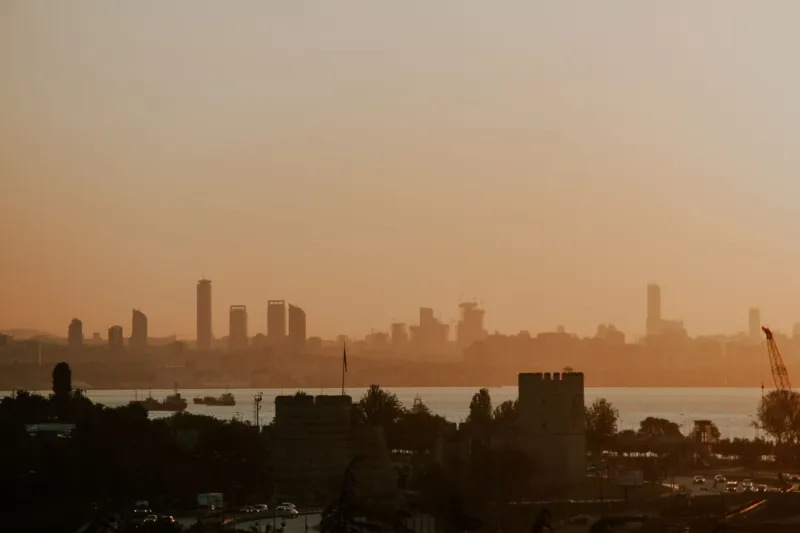
Ask anyone to describe their hometown and they will reach for sight first: the skyline, the bridge, the color of the water. Ask them to close their eyes, and something stranger happens. They remember how the place smelled — the brine off the pier, the diesel and doughnuts of the early bus, the cut grass after the first spring rain. Scent, it turns out, may be the most honest portrait a city ever sits for.
At LMS Fragrances, we have long argued that place is perfume's rawest ingredient. Now, a growing number of American perfume houses agree, and they are bottling civic identity with the seriousness once reserved for rare florals.
Miami: Salted Wood and Hot Citrus
Begin where the country begins its mornings — in the thick, luminous air of South Florida. Miami's signature is not merely the beach; it is the architecture of the beach. Weathered boardwalk planks bleached by decades of sun, their grain sweetened by salt spray, warmed by grapefruit peel and the green bite of key lime. Perfumers working in this register lean on driftwood accords and sun-cooked citrus, materials that read less like a cologne and more like the memory of a humidity-soaked evening on Ocean Drive.
Houston: Petrichor and Concrete
Travel inland and the palette darkens. Houston in July is a furnace; Houston in a thunderstorm is a revelation. The phenomenon has a name — petrichor — and few American cities wear it better. Rain striking asphalt that has baked all day releases an unmistakable steam of mineral, tar, and ozone. It is an unglamorous note on paper, but in the hands of a skilled perfumer, wet-stone accords paired with a whisper of hot pavement and cut grass produce something genuinely moving: the smell of relief.
Seattle: Espresso, Cold Stone, and Cedar Mist
The Pacific Northwest offers perhaps the most literary palette in the country. Seattle's olfactory identity is a study in contrast — the bitter warmth of espresso pulled in a café while fog settles over Puget Sound, the mineral chill of granite, the damp resin of Douglas fir drifting down from the Cascades. Fragrances built on this triad of coffee, cold air, and conifer don't smell like a city so much as like its temperament: contemplative, alert, quietly damp.
New Orleans, Chicago, and the Rest of the Map
No honest scent map stops at three cities. New Orleans is chicory, aged oak, river mud, and the faint sweetness of stone fruit left in the sun. Chicago is lake wind — metallic, clean, almost arctic in January — cut with the caramelized sugar of the Loop's candy shops. Santa Fe is piñon smoke and high-desert sage. Portland, inevitably, is rain on moss and roasted coffee beans.
The Homecoming Question
What makes this movement compelling is not the novelty but the intimacy. Perfumers report that customers approach these civic scents the way they approach a photograph of a childhood street — with a mixture of recognition and longing. A bottle of petrichor-and-asphalt is, for a displaced Texan, a small act of homecoming.
So we leave you with the question the perfumers are asking themselves at the lab bench: what does your hometown smell like? The backyard grill smoke of a Kansas City August? The lake-effect snow silence of Buffalo? The almond blossoms of a California valley?
Name the notes. Write them down. Somewhere, a perfumer is listening — and the next great American fragrance may already be hanging in the air outside your front door.