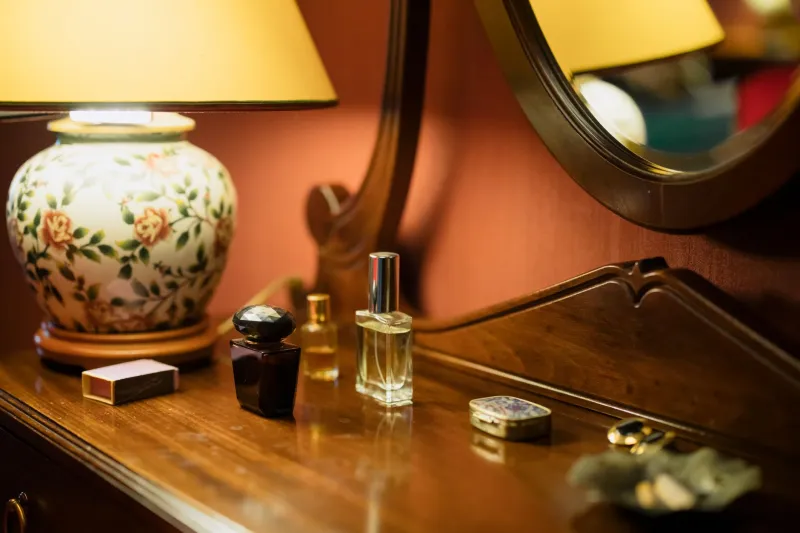
Rooms With a Point of View: The Quiet Discipline of Scent Zoning Your Home
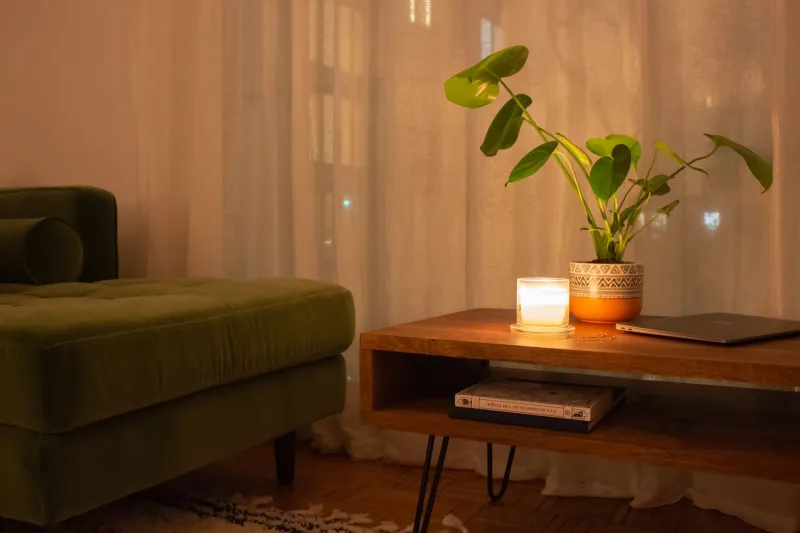
Walk into a well-composed American home and your eyes do the decorating. But linger a while — take off your coat, sit down, accept the offered glass of wine — and your nose starts taking notes. The kitchen smells of something clean and bright. The study carries a low, woodsy hum. The guest room is a whisper of linen and something floral, barely there.
None of this is accidental. A growing number of designers and perfumers are treating scent the way they treat paint chips and throw pillows: as a deliberate layer of interior design. They call it scent zoning, and it may be the most underused tool in the American decorating toolkit.
Why One Scent for the Whole House Fails
Most households do the opposite of zoning. A single diffuser runs in the hallway, a candle burns wherever someone happens to light it, and the result is a kind of olfactory beige — pleasant enough, memorable to no one.
"A house that smells the same in every room feels like a hotel lobby," says one Texas-based home stylist we spoke with. "A house that smells different room to room feels curated. Guests may not be able to articulate why, but they feel it."
The logic borrows from color theory and lighting design. Bright, sharp notes energize; deep, resinous ones settle the nervous system. Matching a scent's character to a room's function is simply good design applied to the air itself.
A Room-by-Room Map
The Kitchen: Citrus and Scrubbed Clean. The kitchen already produces its own theater — coffee, garlic, toasted bread. Rather than compete, choose supporting notes: lemon, bergamot, green herbaceous accents. A diffuser near a window, not the stove, keeps the scent from tangling with cooking aromas.
The Living Room: Warmth Without Weight. This is the room where evenings happen, so lean amber, soft woods, or a fig note — something with body but not heaviness. Candles work well here because the ritual of lighting one marks the transition from day to evening.
The Study or Library: Smoke, Vetiver, Leather. Every home needs a room that signals focus. Resinous and earthy materials — vetiver, incense, cedar, a whisper of birch — do for the mind what a heavy desk does for posture. "It's the olfactory equivalent of a reading lamp," one perfumer told us. "You sit down and your brain shifts gears."
The Bedroom: Skin-Adjacent and Quiet. Musk, powdery iris, clean cotton accords. The bedroom should smell like the memory of a person, not a perfume counter. Keep concentration low — a sachet in a drawer often outperforms a diffuser.
The Guest Room: A Compliment, Not a Statement. Something universally pleasant and faintly floral. The goal is for visitors to sleep well and remember the room fondly, not to be introduced to your taste.
The Bathroom: Eucalyptus and Cold Air. Camphoraceous, spa-leaning notes earn their keep here. A eucalyptus bundle in the shower remains the cheapest scent zoning in America.
The Memory Dividend
There is a practical payoff beyond aesthetics. Scent is the sense most tightly wired to memory, and a zoned home builds a map of associations. Years from now, a particular vetiver may summon the study where you finished the novel; a certain fig candle, the living room where holidays happened.
Children raised in a zoned home absorb that map without ever being told. So do guests. "People remember how a space made them feel," the stylist noted, "and they remember it through their noses long after the paint colors blur."
Getting Started Without Overhauling Everything
You don't need twelve diffusers. Start with the two rooms where you spend the most waking hours — likely the kitchen and wherever you work. Choose one scent for each, with a clear contrast between them: bright versus grounded, clean versus warm.
Then practice restraint. Scent zoning succeeds through subtlety; a room should smell like itself, gently improved, never perfumed. If a visitor comments on the fragrance before they comment on the room, you've gone too far.
The best zoned homes, like the best wardrobes, are recognized only in their effect. The room feels finished. The evening feels intentional. And somewhere in the mix, a bottle of something quietly wonderful is doing its work — unseen, unspoken, and entirely unforgettable.