The Fragrance Wardrobe: A Field Guide to Layering Scents Like a Native New Yorker Layers a Coat
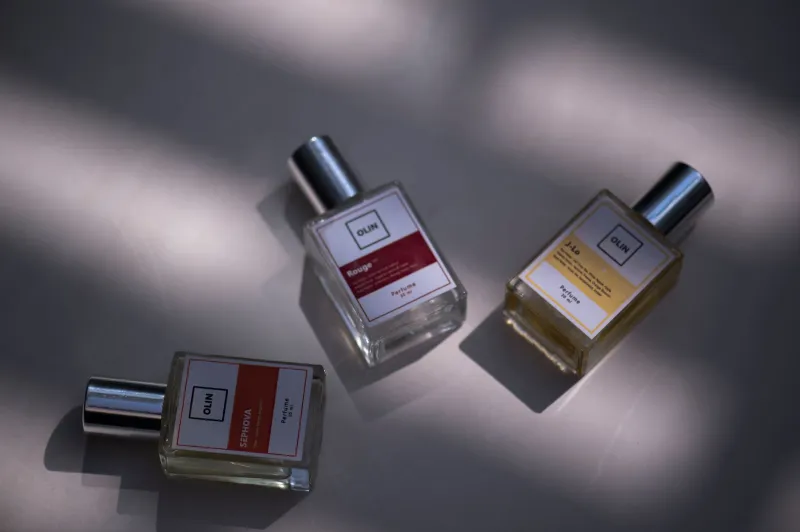
There was a time when an American woman or man had one perfume—the bottle on the dresser, the scent family members could identify through a closed door. That era is quietly ending. Walk through any Sephora in Chicago or independent apothecary in Portland and you will hear the same phrase: fragrance wardrobe. The idea is simple. Rather than committing to a single scent, the modern enthusiast curates a small collection and combines pieces, the way a well-dressed New Yorker layers a trench over a sweater over a tee.
Done well, layering produces something no bottle on the shelf can: a scent that exists on exactly one person's skin. Here is how to approach it with intention.
The Golden Rule: Heavy First, Light Second
Fragrance layering follows the logic of dressing. The densest, richest scent goes on first—typically the one with the deepest base notes, such as a vanilla, oud, or amber. Then, once it has settled for a minute, apply the lighter, brighter composition on top. A citrus chypre layered over a vanilla base, for instance, produces a sparkling yet cozy effect: the vanilla softens the chypre's sharpness while the citrus keeps the vanilla from turning heavy.
Reverse the order and the heavier scent will smother the lighter one, muting the very contrast you were after.
Beginner-Friendly Combinations That Rarely Miss
Start with note families that share a natural affinity:
- Vanilla + Citrus: A warm gourmand underneath a lemon or bergamot-forward cologne reads like cream with a twist of zest—elegant, not sweet.
- Rose + Woody: A simple rose layered over sandalwood or cedar transforms a pretty floral into something more architectural and grown-up.
- Clean Musk + Anything: A sheer musk is the white T-shirt of fragrance. Layered under almost any other scent, it smooths edges and extends wear.
- Lavender + Vanilla: A fougère's herbal snap over a soft vanilla is the olfactory equivalent of linen and cashmere in one outfit.
Keep to two fragrances until you have a feel for the chemistry. Three is the practical ceiling; beyond that, the blend tends toward mud.
The Do's and Don'ts
Do test the combination on paper blotters first, then on skin—paper tells you the idea works; skin tells you the truth. Do keep one anchor scent consistent while rotating the second; this is how a recognizable personal signature emerges from variety. Do consider the season: a vanilla-and-oud stack that sings in a Minnesota January will wilt in a Houston August.
Don't layer two loud, competing statement fragrances—two heavy ambers or two sharp aquatics will argue all day. Don't ignore intensity; a strong extrait de parfum will dominate a delicate eau de cologne regardless of application order. Don't rub your wrists together after applying; friction breaks the top notes and muddies the blend.
Testing Before You Commit
Spray the first fragrance on one inner forearm and the second on the other. Wear them separately for an hour. Then press the two forearms together briefly. This gives you a preview of the blend without committing a full application. If the pairing intrigues you, apply properly the next day—base first, top second—and live with it through a full workday. A combination can smell divine at 9 a.m. and turn strange by 3 p.m., when the base notes of both fragrances finally meet.
Why the Wardrobe Wins
There is a deeper appeal here than novelty. A single signature scent says, reliably, "this is me." A layered wardrobe says something more interesting: "this is me, today." A brisk citrus-and-musk pairing for the Monday commute. A vanilla-and-rose blend for a dinner date. The smoky oud layered under fresh bergamot for the days you want to be remembered.
Perfumers have layered for centuries; the rest of us are simply catching up. Start with two bottles you already own. You may discover that the most distinctive fragrance in your collection is the one you mixed yourself.