The Occasion Wardrobe: How Americans Stopped Choosing One Signature and Started Dressing Their Calendar in Scent

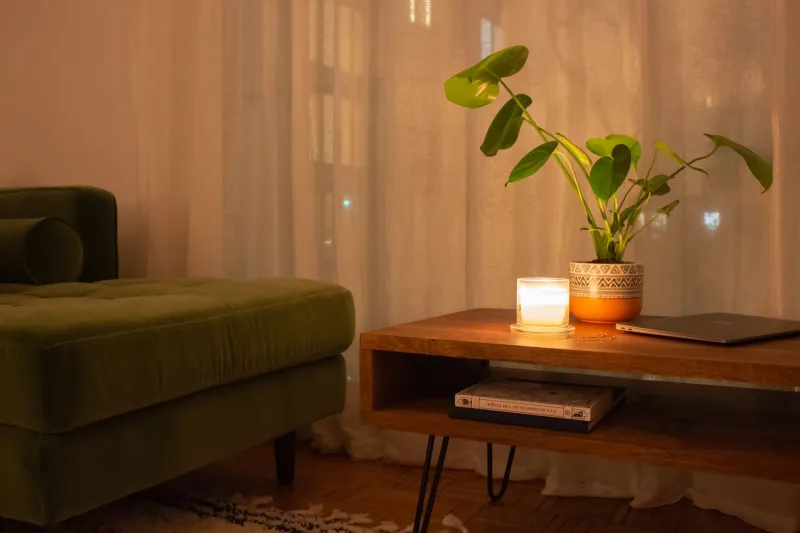
Photo by Photo by Maksim Zinchenko on Unsplash on Unsplash
For decades, the fragrance industry sold Americans a singular romance: find your scent, the one perfume that becomes shorthand for who you are. Walk into any department store and the message was the same — loyalty, identity, one bottle. That message is losing its grip.
Across the country, fragrance enthusiasts are assembling something more nuanced: occasion-based capsules. A smoky leather reserved for evenings that matter. A bright neroli for the interview that could change everything. A soft, skin-close musk that belongs exclusively to Sunday mornings and the newspaper still warm from the porch. The signature scent hasn't disappeared, but it now shares the shelf with a small, intentional roster.
From Signature to Situation
"The signature scent was always a marketing convenience," says a fragrance buyer for a Southern boutique chain who asked to remain unnamed ahead of a launch. "What we're actually seeing in register data is that the average niche customer now owns five to seven bottles and rotates them deliberately. They're not collecting — they're planning."
The parallel to fashion is hard to miss. Just as the capsule wardrobe movement taught a generation of Americans to buy fewer, better garments chosen for how they'll actually be worn, the fragrance capsule applies the same discipline to scent. The question is no longer what do I smell like? but what is this day asking of me?
Consultants who build capsule wardrobes for clients — a service once limited to clothing — report the same shift. "Clients used to book us to find the one," one New York-based stylist explains. "Now they book us to build a rotation. The first date fragrance. The one that survives a boardroom. The one that makes a Tuesday apartment feel like a weekend."
Why the Calendar Won
Several currents converged to make this possible. The explosion of discovery sets and decant culture dramatically lowered the cost of experimentation — a shopper can now live with three scents for a month for less than the price of one full bottle. Social media, meanwhile, normalized the vocabulary of rotation. On TikTok and Instagram, "fragrance wardrobes" and "scent of the day" posts have made owning many perfumes feel like fluency rather than infidelity.
There is also a quieter psychological driver. After years in which American life compressed into fewer, higher-stakes occasions — the wedding, the reunion, the interview conducted over a laptop camera — people began assigning meaning to the moments that remained. Fragrance, the most memory-sensitive of the senses, became the obvious tool. A scent worn only on special evenings accumulates association like compound interest. Open that bottle and the evening returns.
Building a Capsule That Works
Professionals tend to agree on a loose architecture, whatever the client's budget:
- The anchor — a versatile daytime scent, clean and approachable, that carries the bulk of the week.
- The statement — a richer composition, often amber-forward or woody, reserved for evenings and occasions where presence matters.
- The interview scent — polite, immaculate, and quiet. Think pressed linen, iris, a whisper of citrus. Nothing that enters the room before you do.
- The private pleasure — a scent worn for no audience at all. Sunday coffee, a walk, a slow start.
The point, consultants stress, is not accumulation. A capsule of four thoughtful bottles outperforms a vanity of forty impulse purchases. The discipline lies in the assignment: each scent earns its place by doing a job.
What This Means for the Shelf
Retailers are adapting. Boutiques increasingly merchandise by occasion rather than by olfactory family — a "date night" table here, a "workday edit" there. Discovery sets are built around scenarios instead of notes. Even legacy houses have noticed, marketing flankers as wardrobe additions rather than replacements.
For the enthusiast, the shift is liberating. The tyranny of the signature — the anxiety of choosing one scent to represent a whole self — has given way to something more honest. We are not one person. We are the interview and the Sunday, the first date and the quiet night in. A wardrobe of scents simply admits what a single bottle never could.
The second date, as it turns out, deserves its own perfume. So does the morning after.